
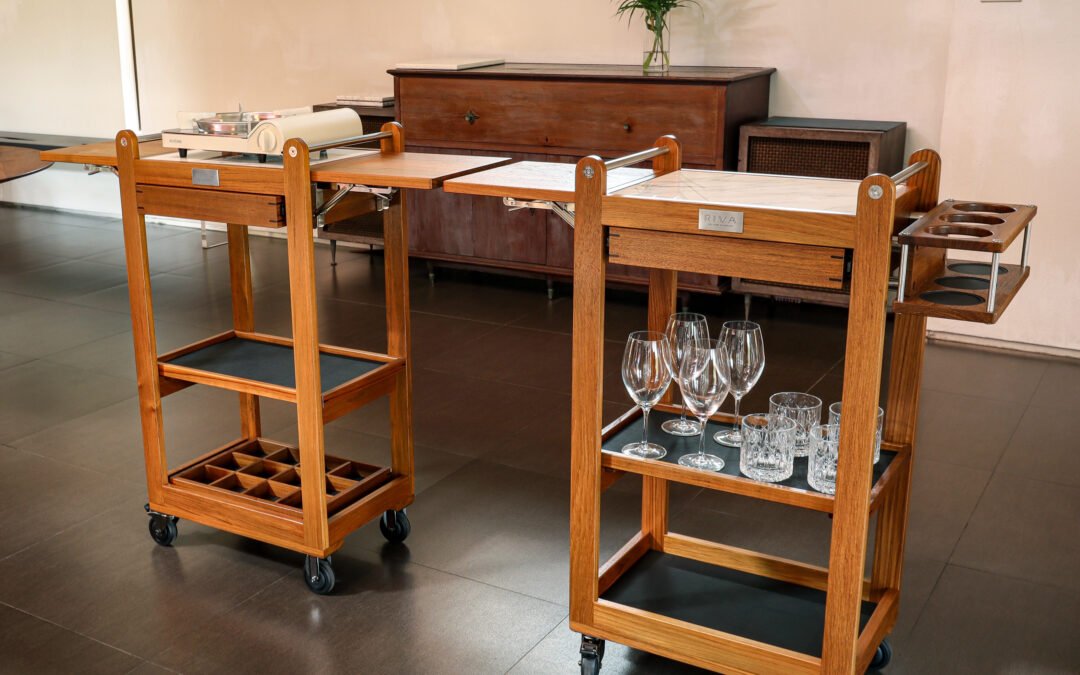
For luxury dining venues, boutique hotels, and private clubs, a bespoke wooden guéridon is far more than an aesthetic accessory. It is a vital operational tool that builds atmosphere, drives revenue, and showcases exceptional craftsmanship.

1. Guéridon vs. Bar Cart: Understanding the Difference
While home bar carts and residential tea trolleys have gained popularity in interior design, a commercial restaurant guéridon operates on a completely different level of engineering and purpose.
Purpose & Function: A residential bar cart is primarily static storage designed to hold a few bottles and glassware. A guéridon is an active, mobile workspace built for tableside finishing, flambéing, carving, cheese presentation, and sommelier decanting.
Mobility & Stability: Residential carts often feature small, decorative wheels that struggle on dining room flooring. Commercial guéridons use heavy-duty, smooth-rolling casters designed to glide effortlessly across polished hardwood, marble, or plush carpeting without sound or vibration.
Ergonomics: A true guéridon is engineered to standard kitchen working heights, allowing waitstaff and sommeliers to prepare food or pour wine comfortably without stooping or awkward positioning.
2. The Revenue Engine: Why a Guéridon Is a High-ROI Investment
Many operators view service trolleys as a secondary “nice-to-have” design feature. In reality, a well-utilized guéridon is one of the highest-yielding operational assets in a fine dining room.
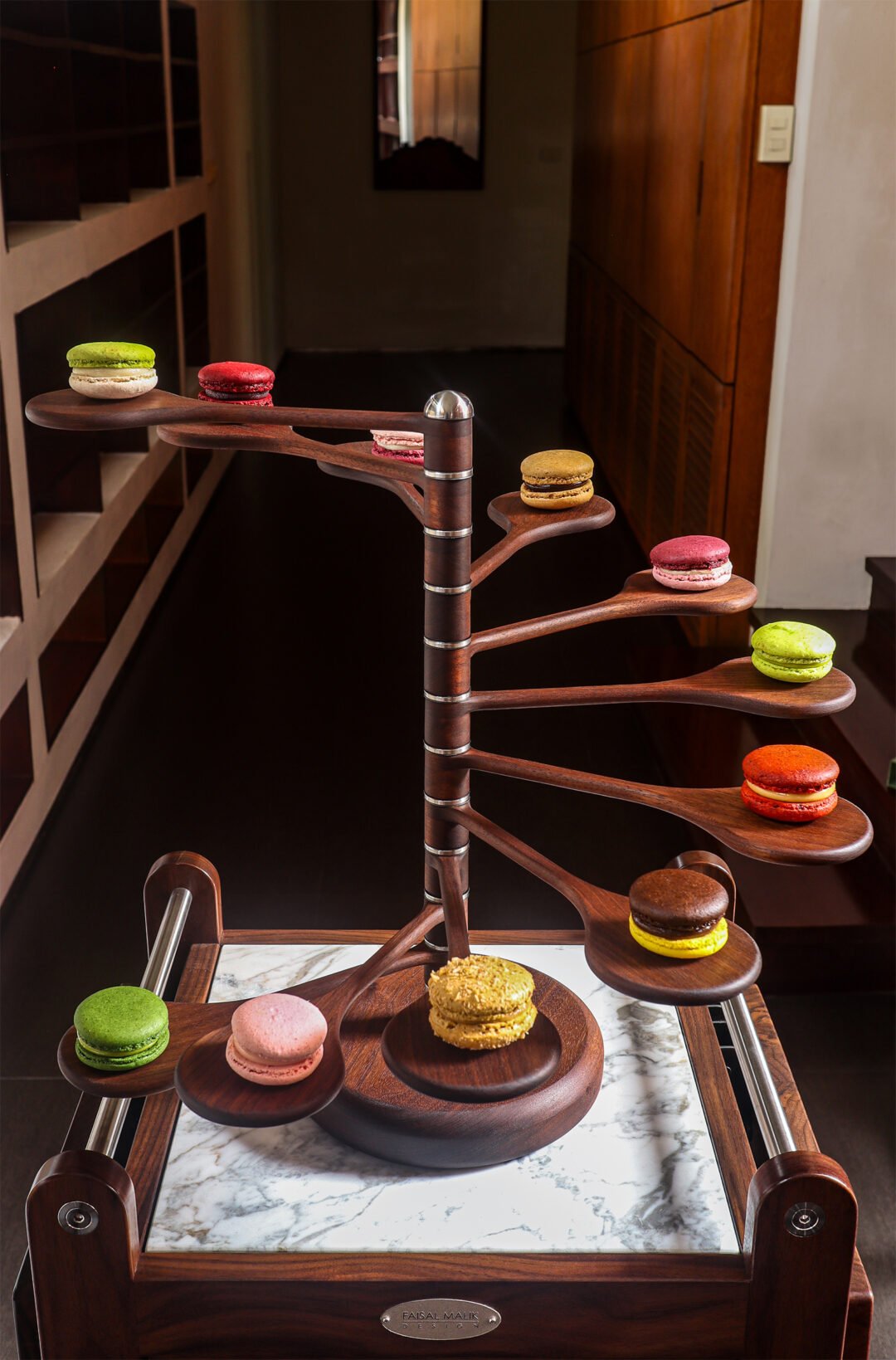
The Power of Visual Suggestion: When guests see a beautifully appointed trolley rolling past their table—stacked with artisanal cheeses, rare digestifs, or tableside dessert preparations—it creates an instant sensory trigger. Table-side service builds visual craving across the dining room, driving impulse orders from neighboring tables.
Maximizing Average Check Size: Guéridon service naturally highlights high-margin upsells. Rolling out a dedicated champagne or aperitif cart upon seating instantly increases beverage revenue before the main order is even taken. Similarly, an after-dinner digestif or tableside cheese course consistently inflates the final bill.
Justifying Premium Price Points: Guests do not just pay for ingredients; they pay for theater and exclusivity. Tableside preparation turns a dish into a personalized performance, allowing restaurants to command higher menu prices while increasing guest satisfaction.
3. Materials Matter: Solid Hardwood vs. Mass-Produced Plywood
Hospitality environments are unforgiving. A commercial service trolley endures constant movement, heat from hot plates, moisture from ice buckets, wine spills, and accidental bumps into dining room architecture.
Mass-produced veneered plywood or lightweight metal carts quickly degrade under these conditions:
Veneer Failure: Commercial cleaning chemicals, water rings, and alcohol spills quickly cause wood veneers to peel, bubble, or chip at the edges.
Structural Instability: Fastened particleboard joints loosen over time, resulting in wobbly carts that rattle loudly when pushed across the floor.
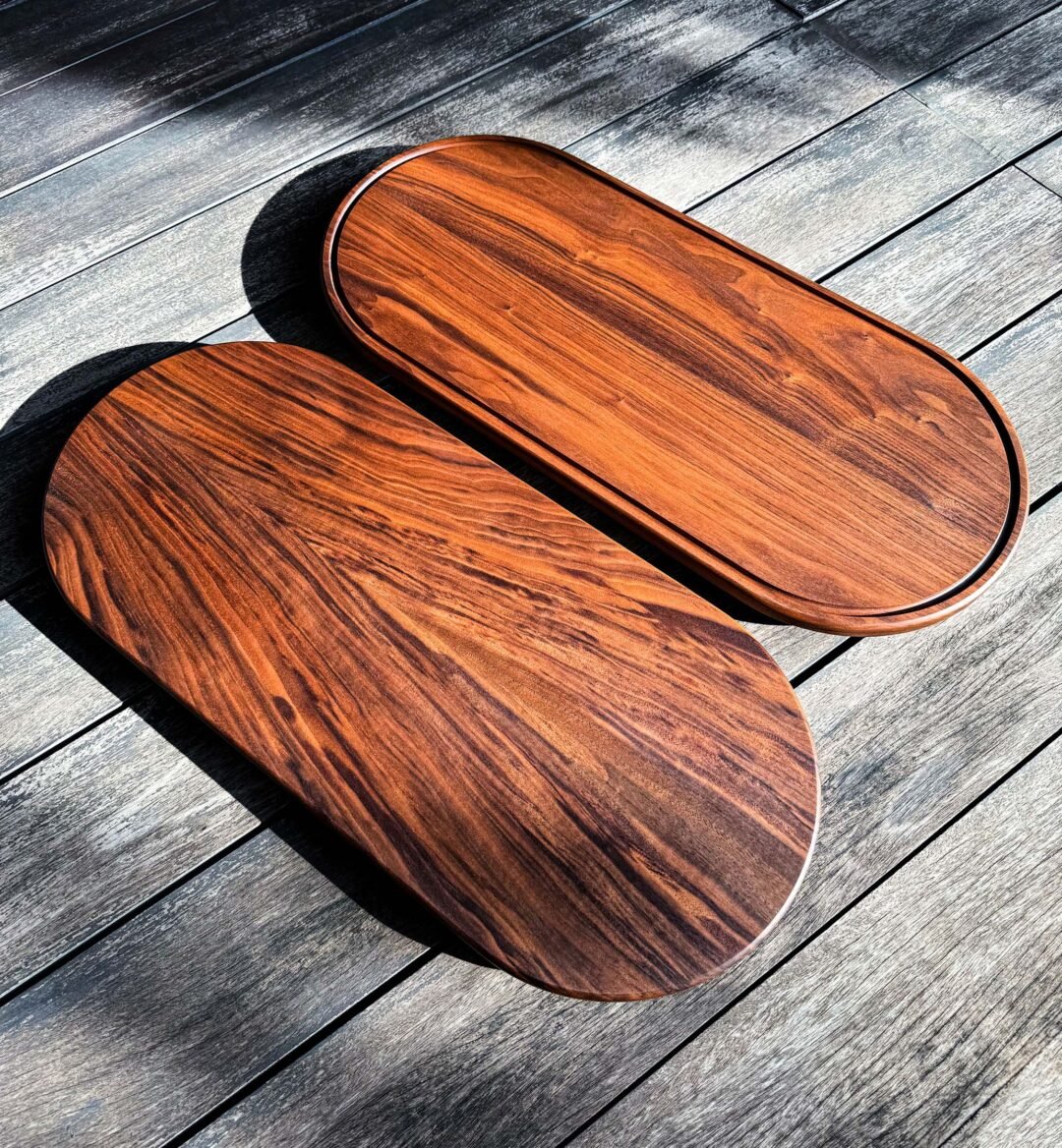
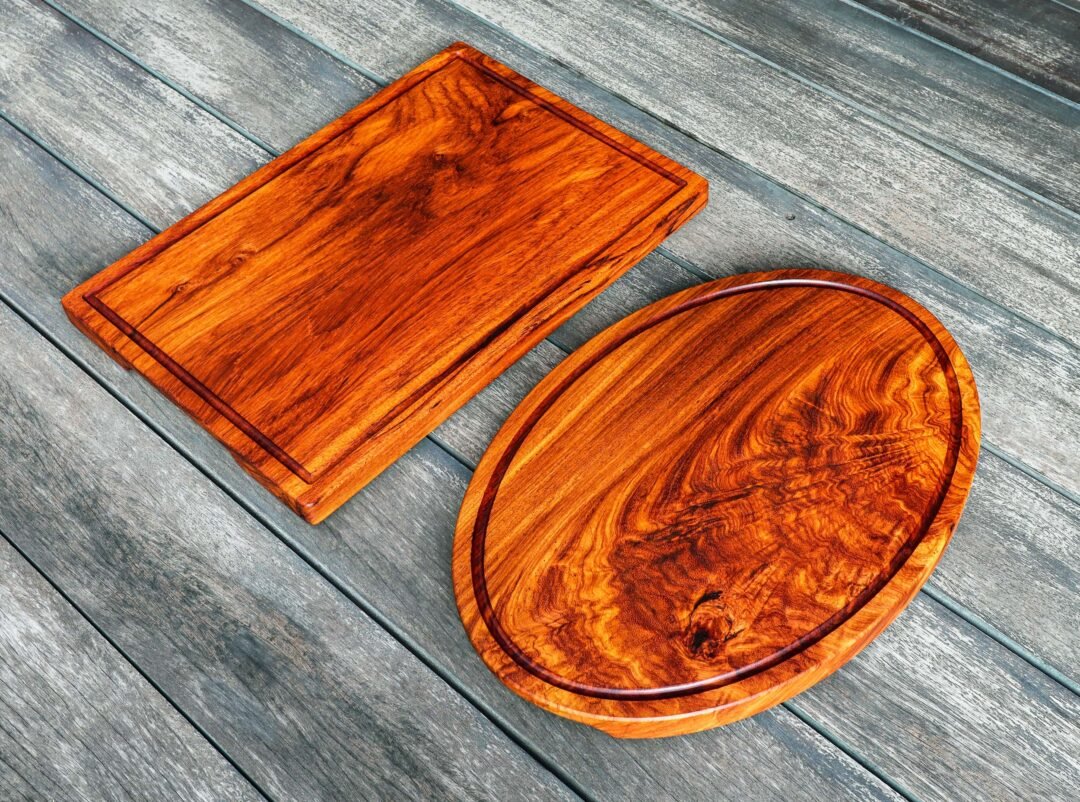
In contrast, custom solid hardwoods (such as high-grade reclaimed teak or walnut) provide unmatched durability:
Natural Resistance to Liquids & Wear: Fine hardwoods possess dense grain structures and natural oils that resist moisture absorption, preventing warping and staining from spilled wine or condensation.
Longevity & Refinishing: Solid wood can be sanded down, re-oiled, and restored back to original condition after years of heavy service, delivering a far lower total cost of ownership over time.
Acoustic Dampening: Solid hardwood absorbs ambient sound rather than echoing it, ensuring that service remains quiet and discreet in intimate dining settings.
4. Engineered for Performance: Customizing Mobility, Drop-Leaf Tops, and Storage
Every dining concept requires unique workflow solutions. A custom-built trolley allows operators to tailor every dimension and compartment to their specific menu and service style.
Drop-Leaf Expansion for Space Efficiency
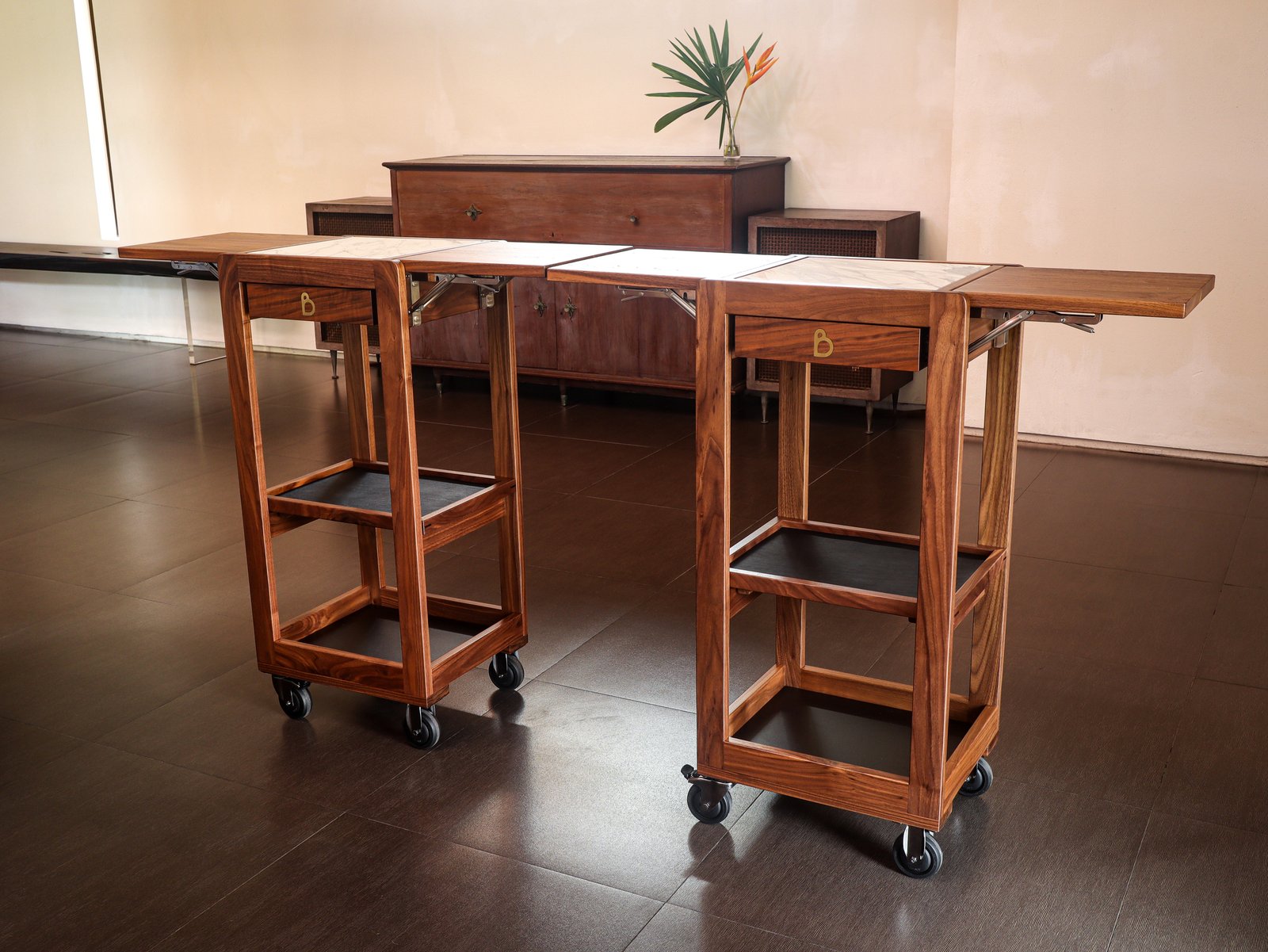
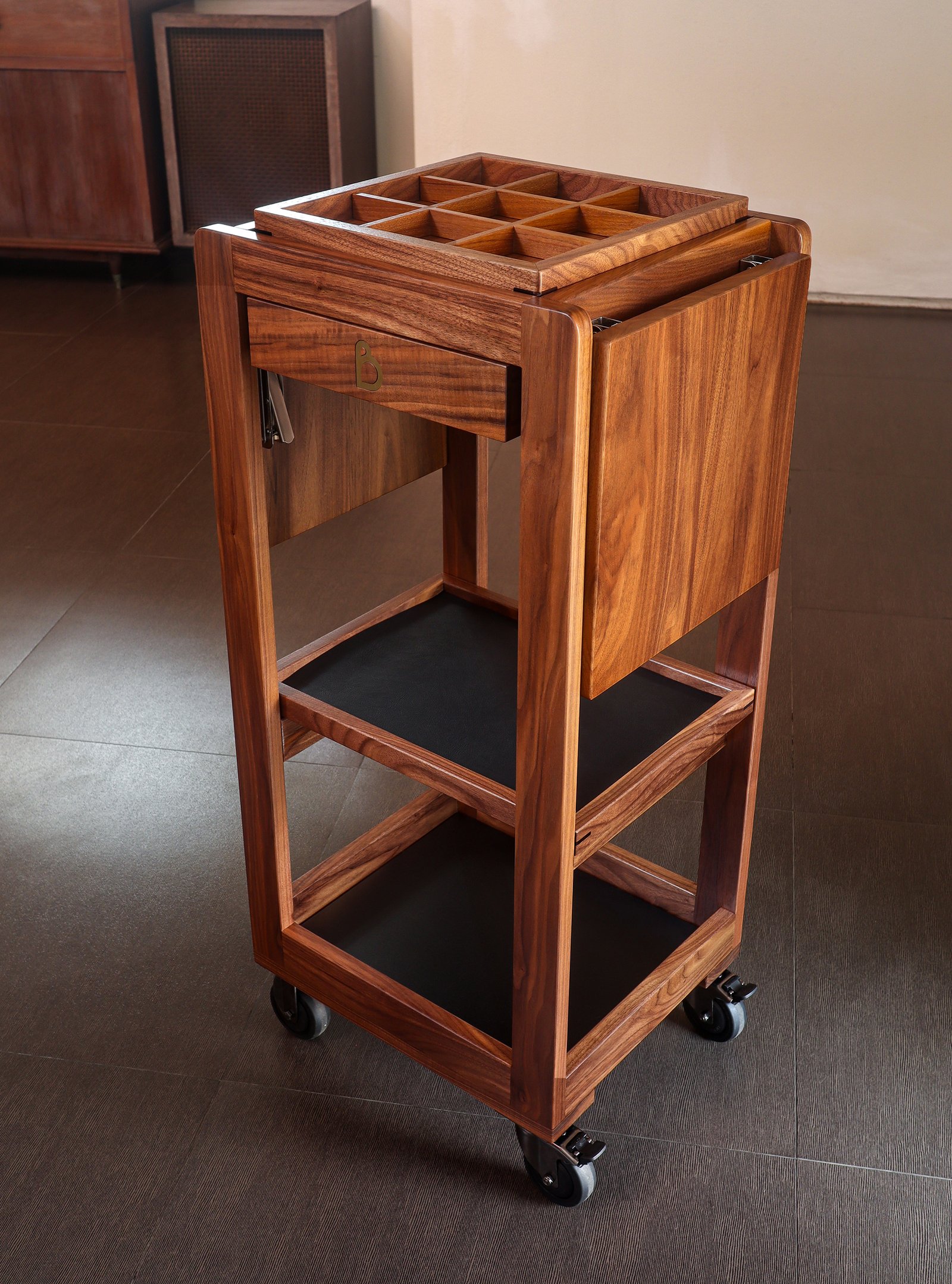
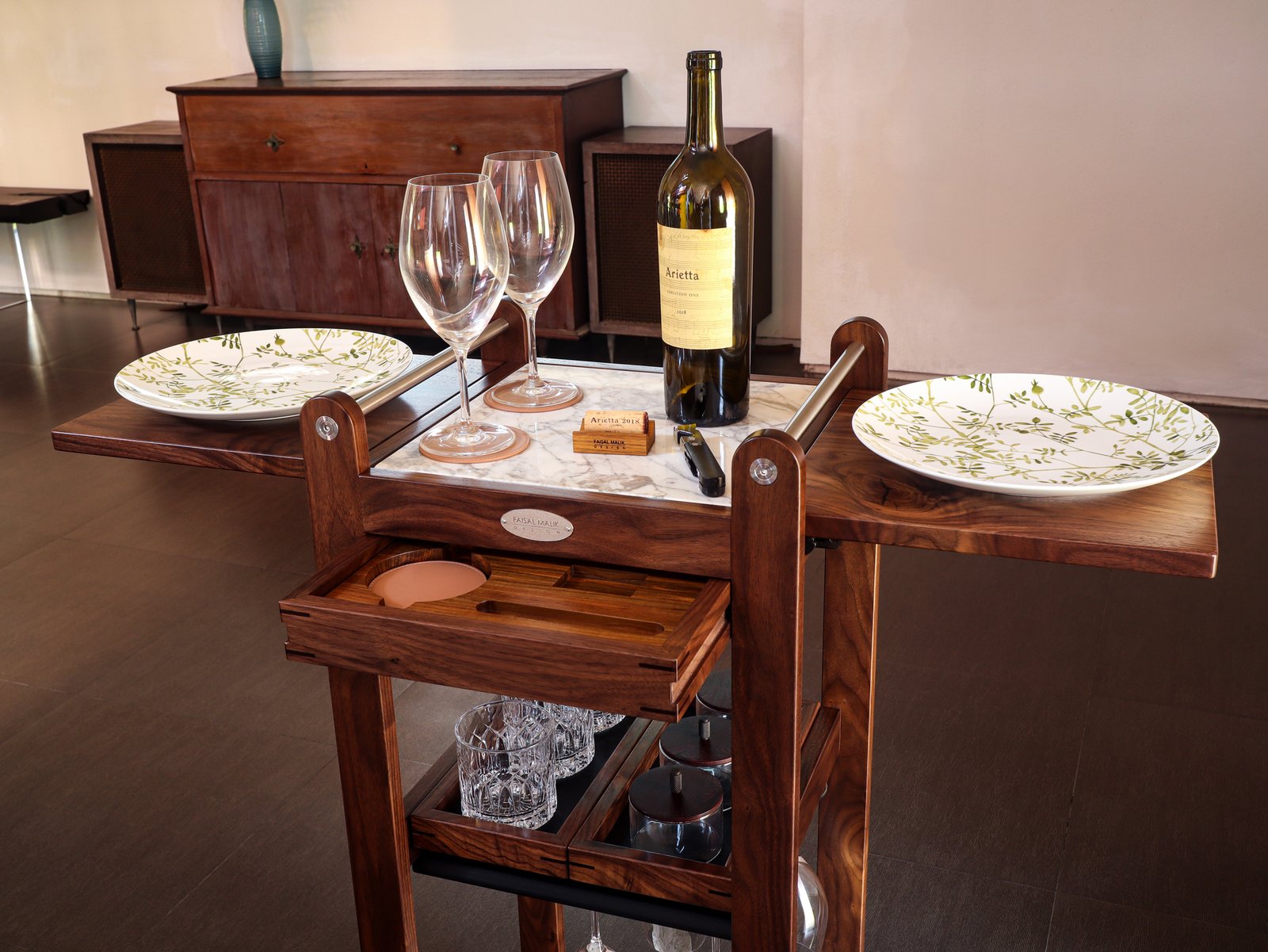
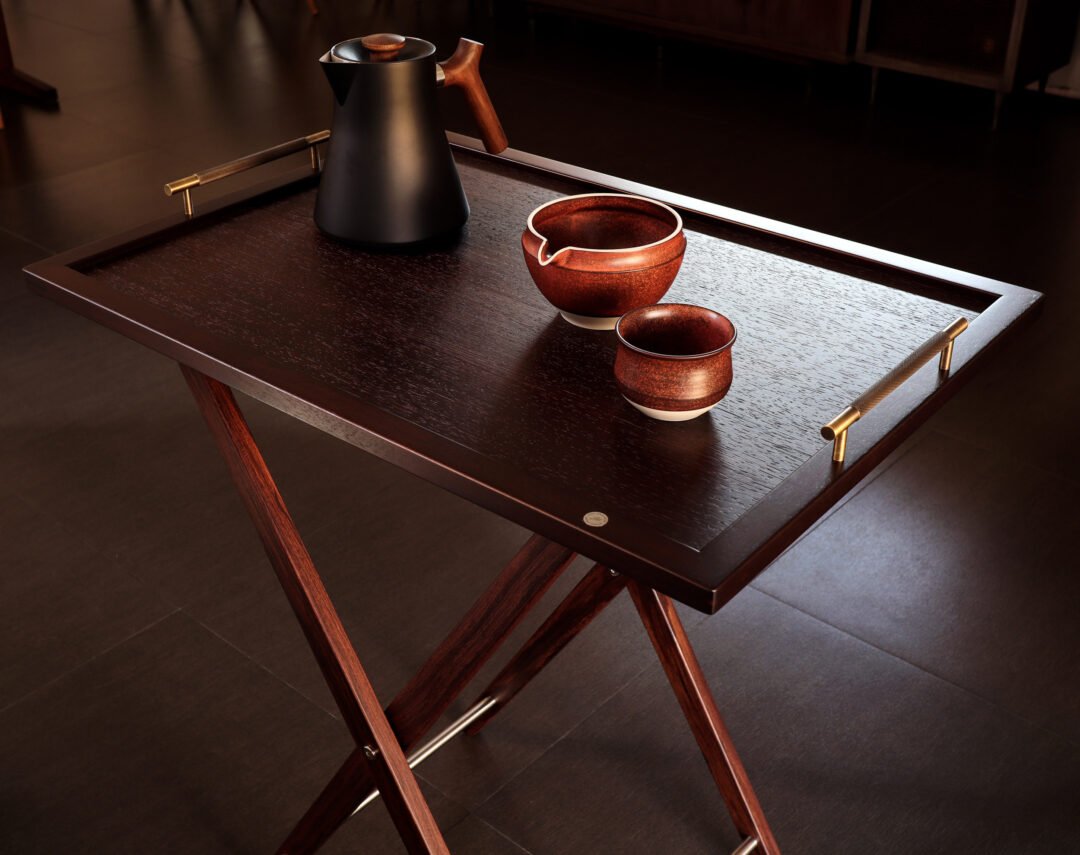
Compact dining rooms require furniture that adapts on the fly. Integrated drop-leaf side panels allow the guéridon to navigate tight aisle ways in its folded state, then expand into a wide, stable prep station once positioned beside the guest’s table.
Custom Storage for Cheese & Charcuterie Service
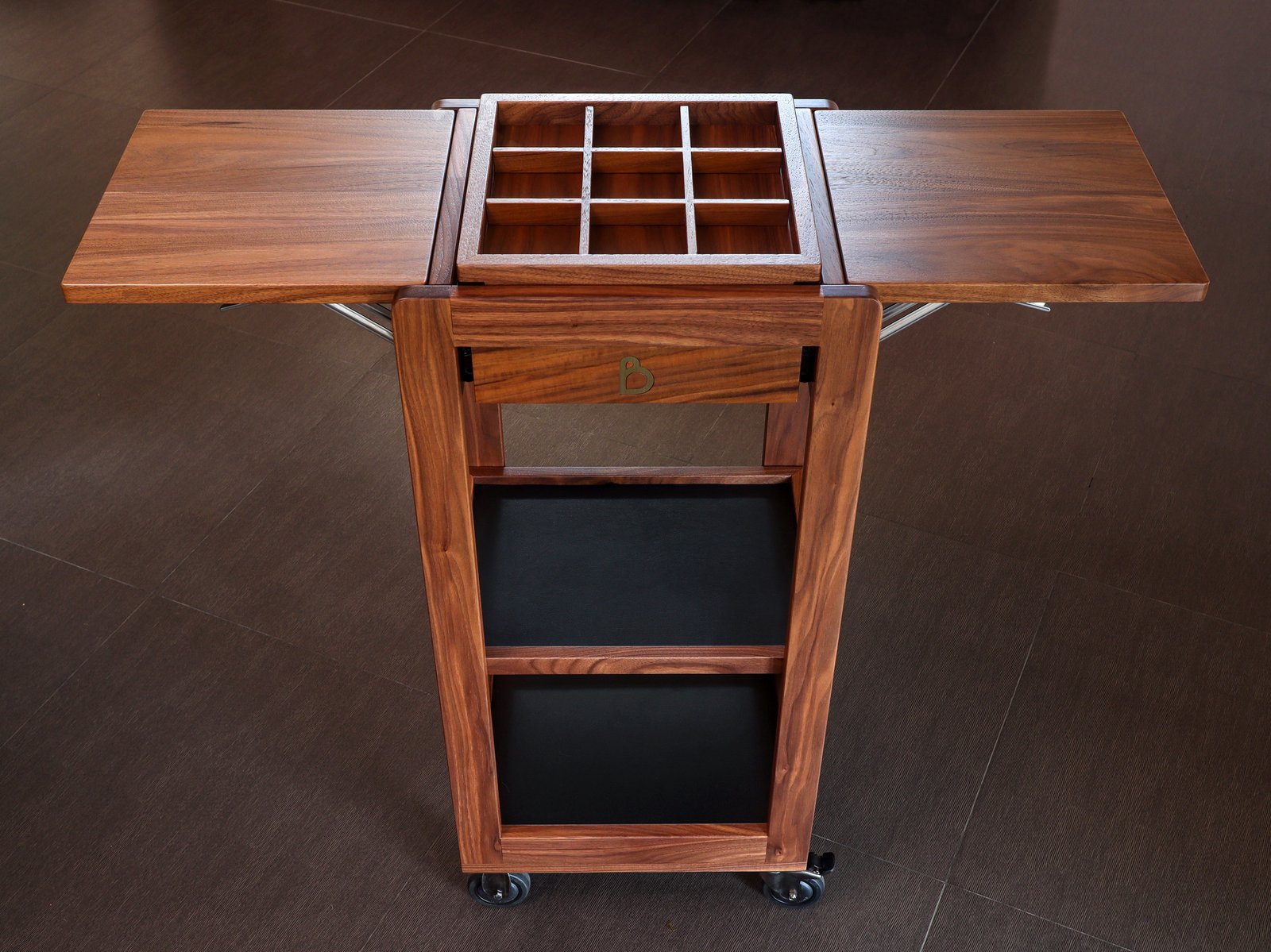
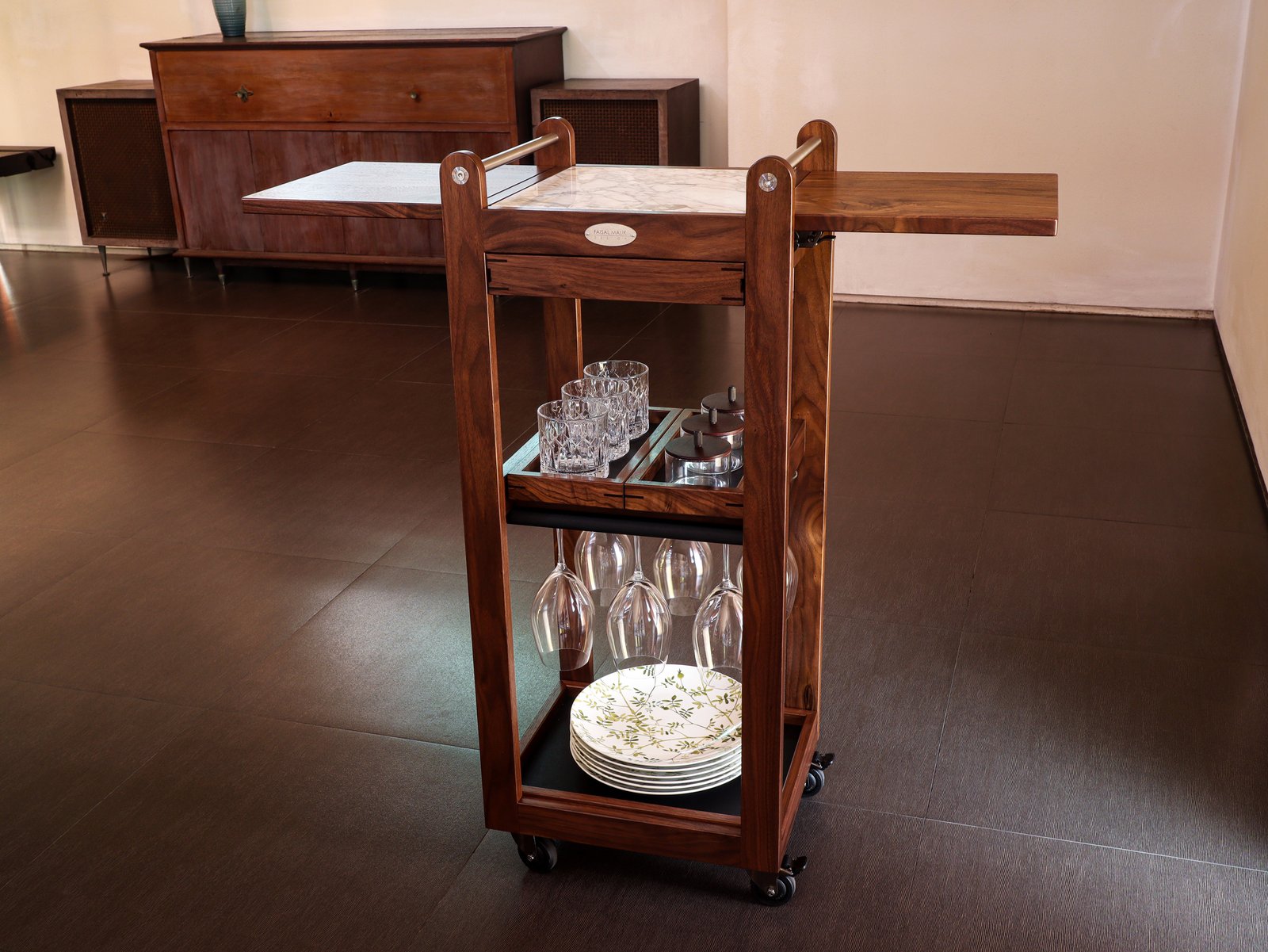
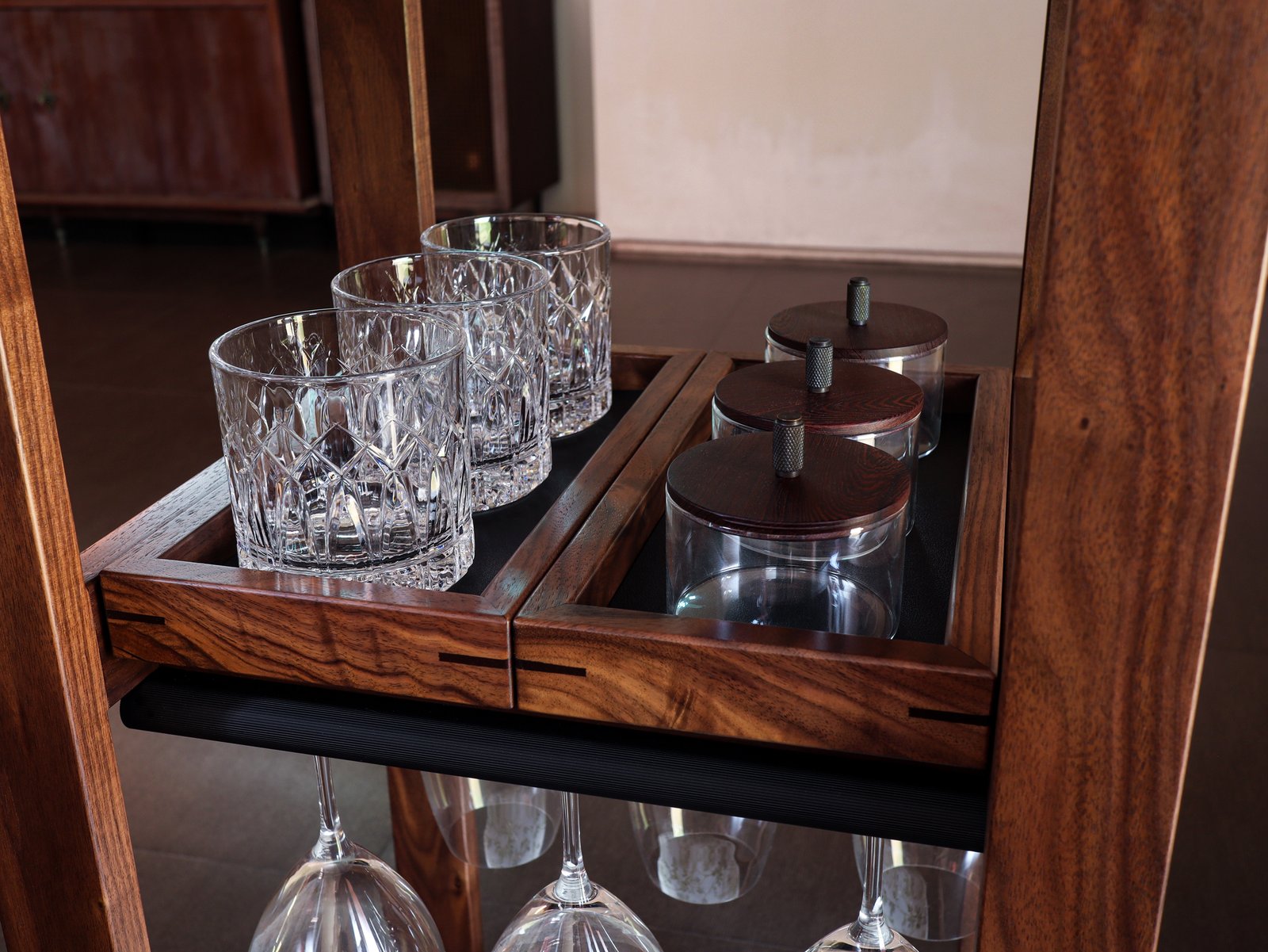
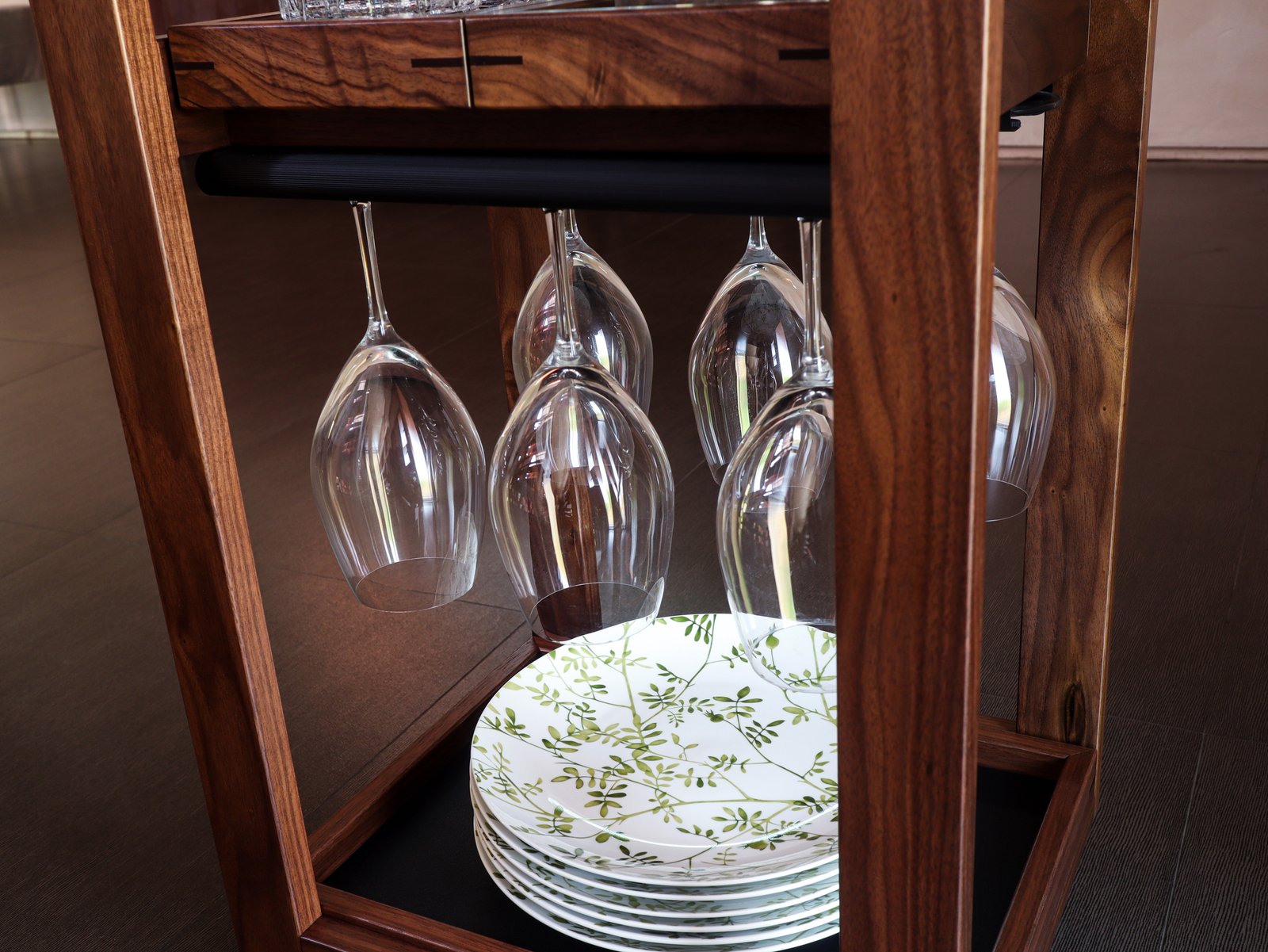
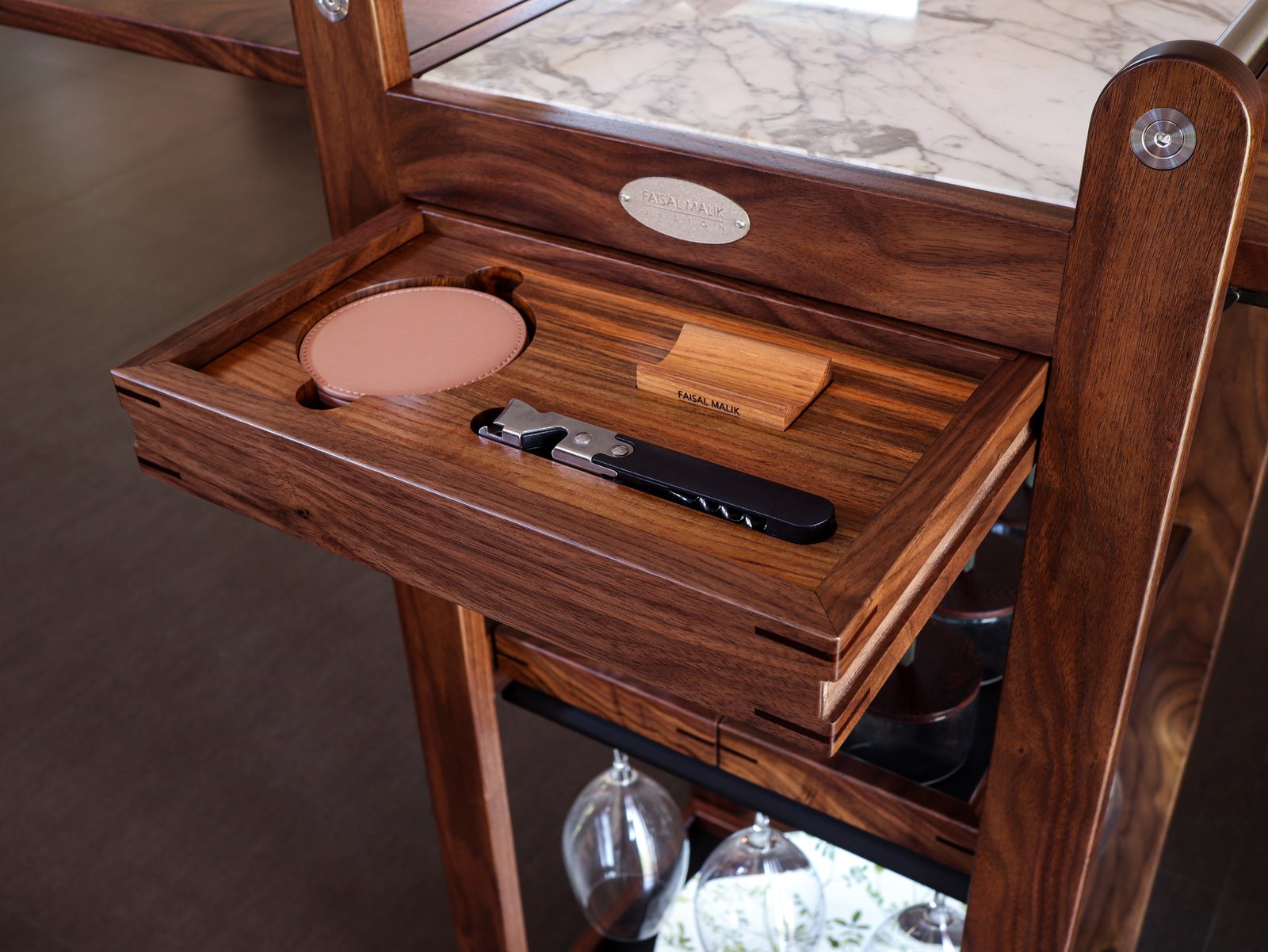
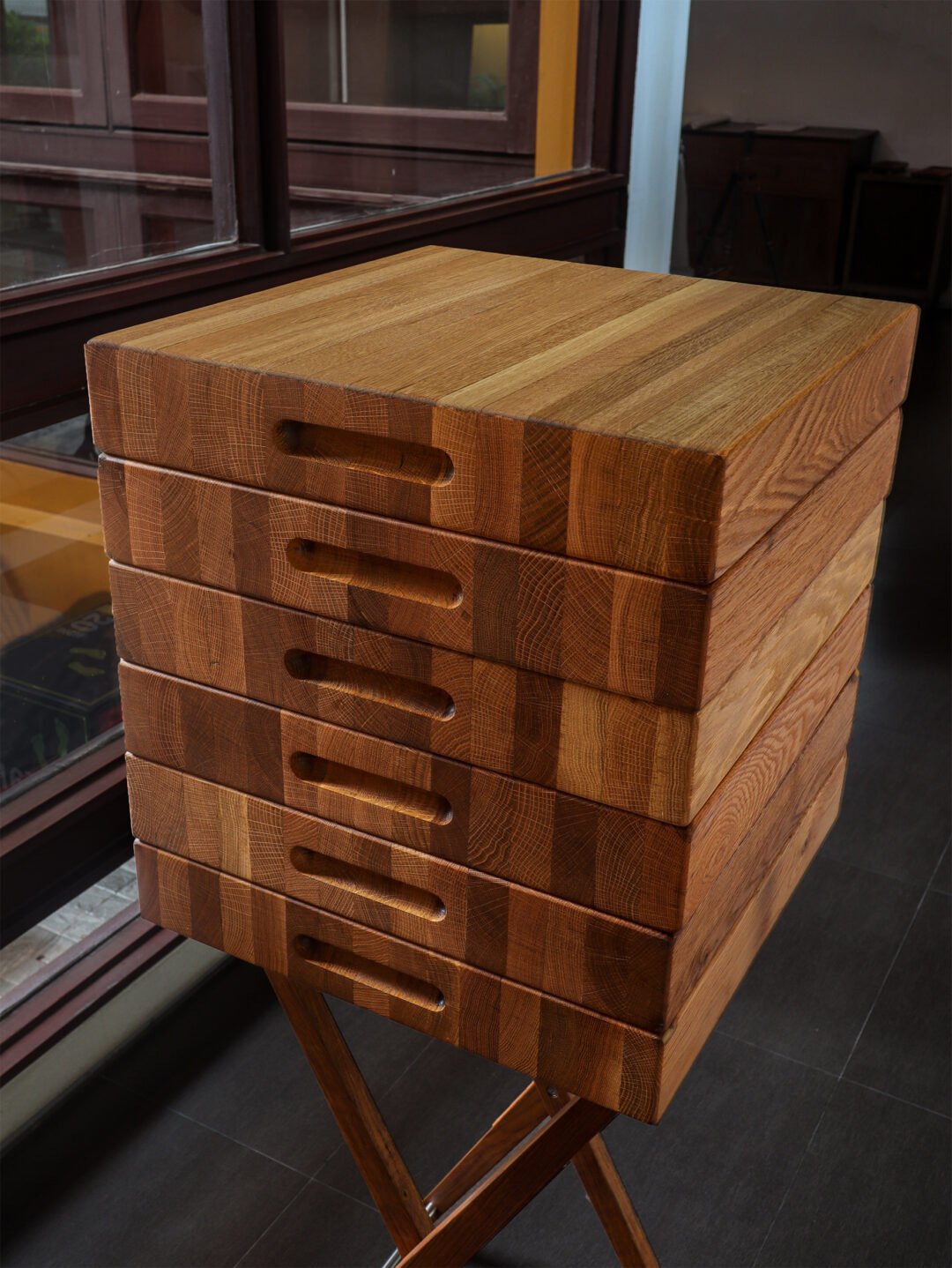
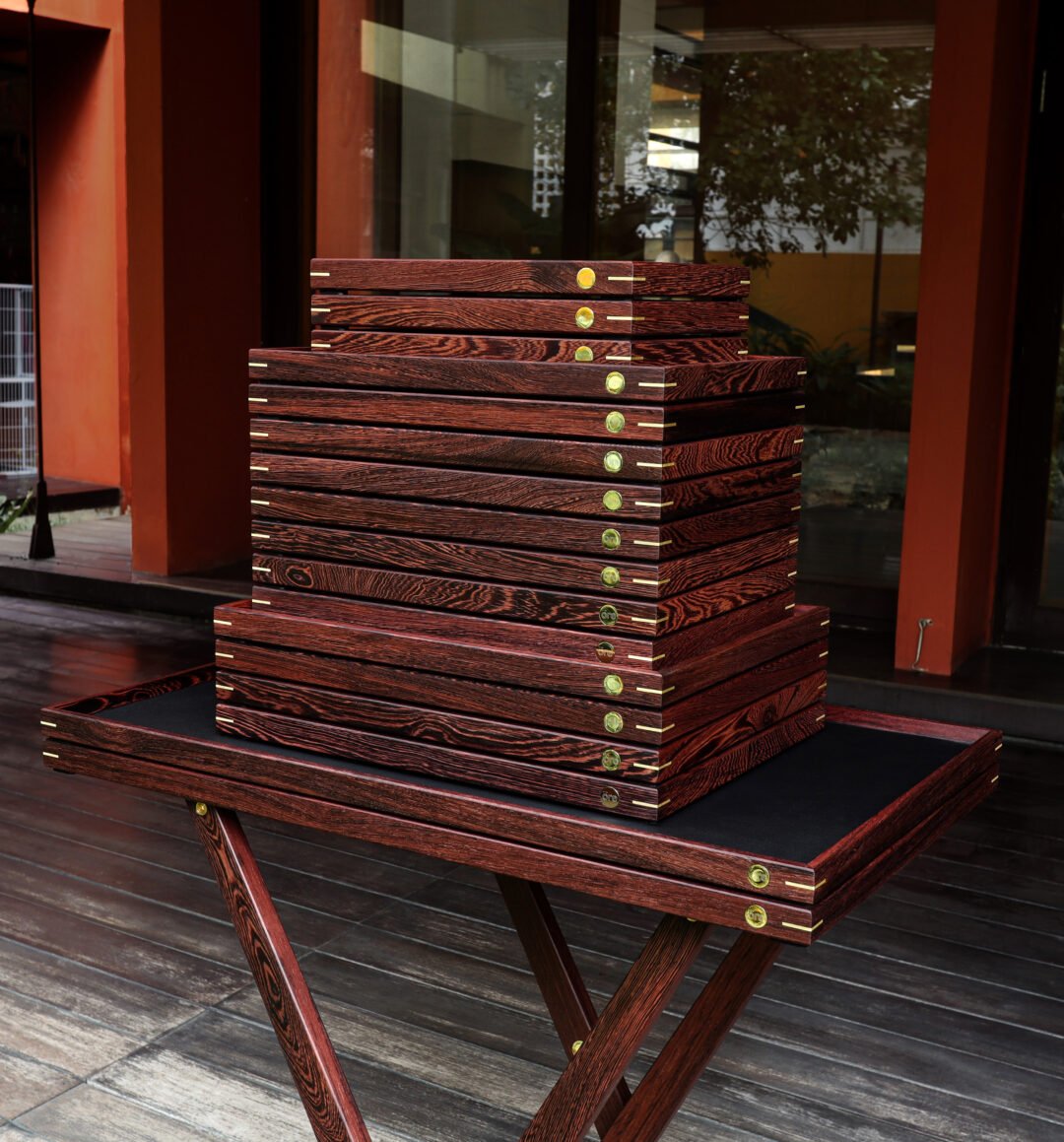
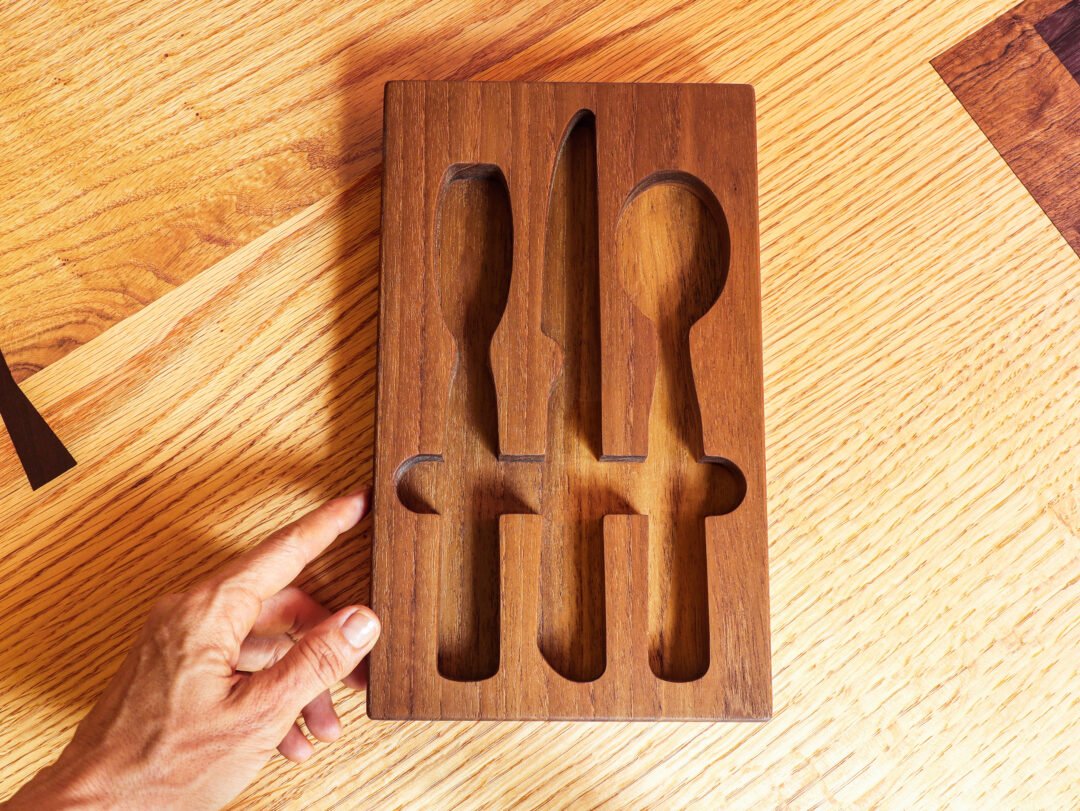
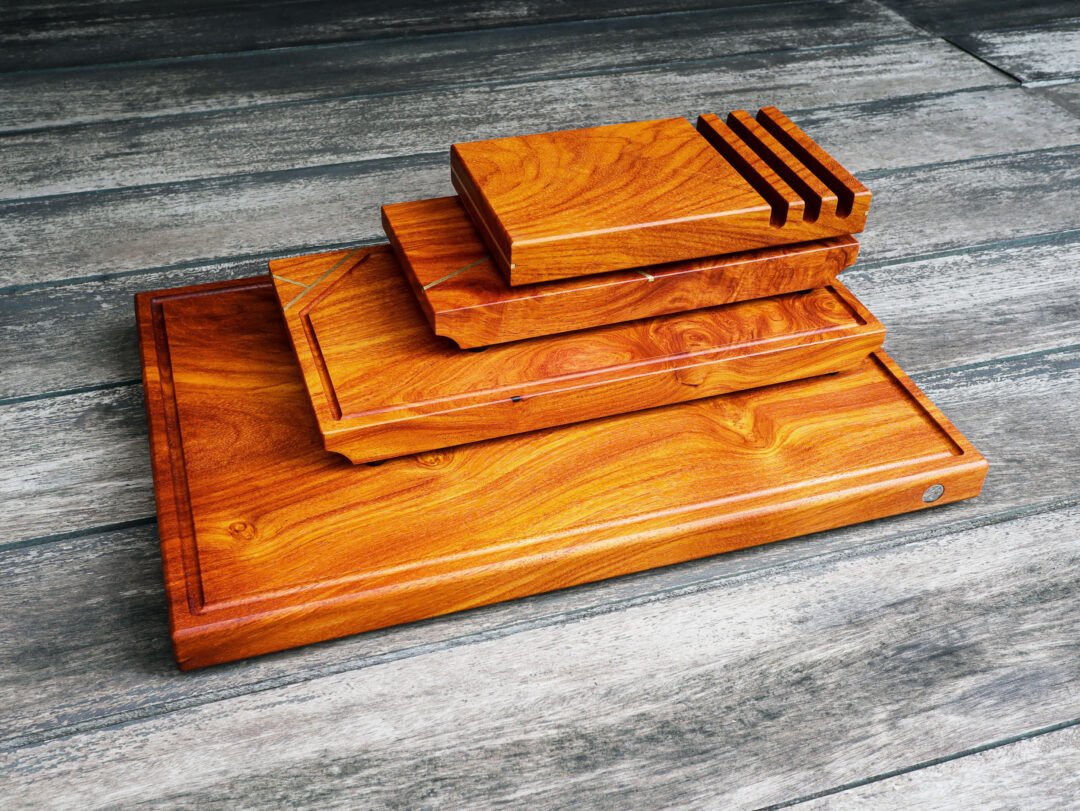
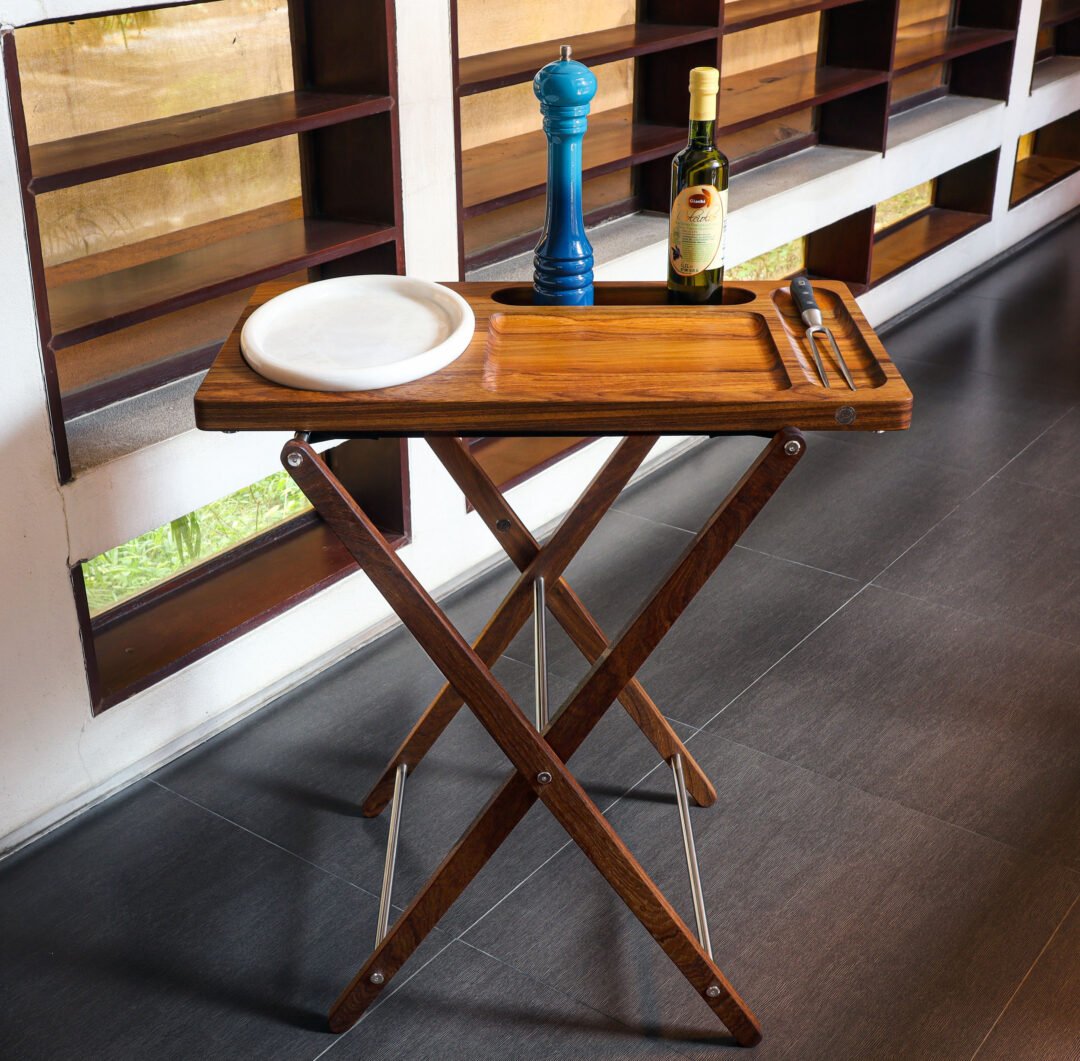
A dedicated cheese trolley requires deep tiering to display large wheels and boards cleanly, paired with integrated drawers to house specialized knives, slate boards, and wax paper. Built-in lower shelves ensure additional stock remains neatly hidden while maintaining an uncluttered presentation top.
Sommelier & Digestif Configurations
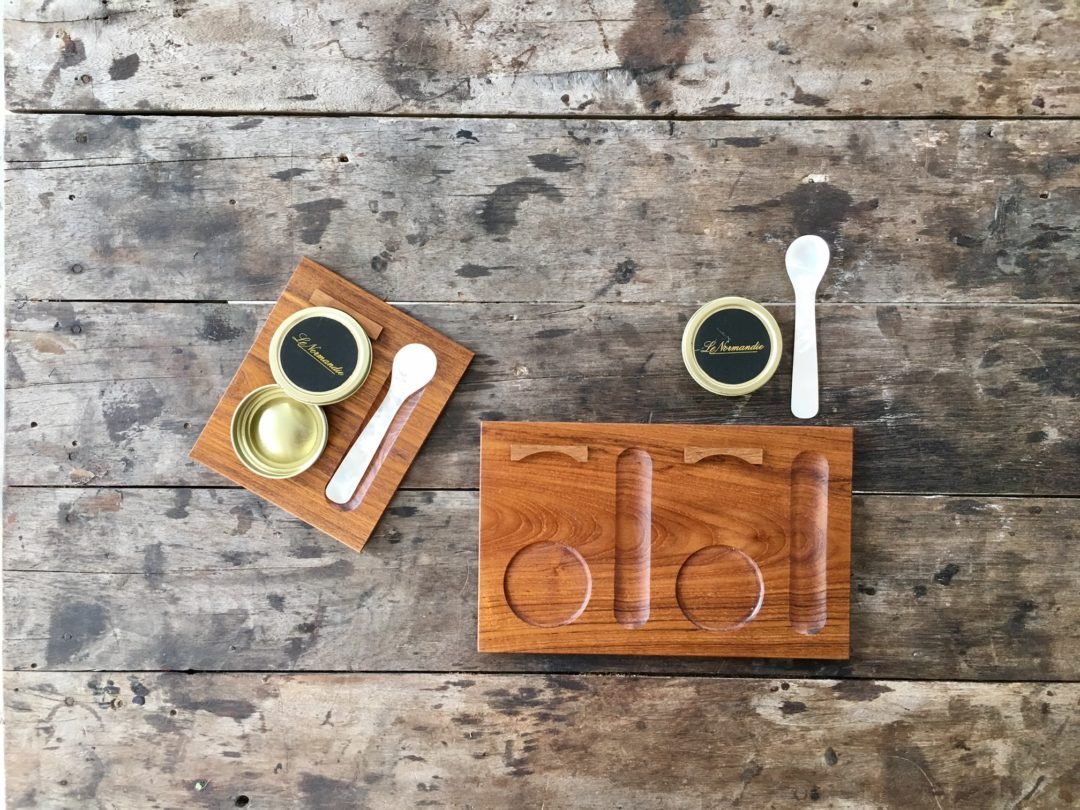
For wine and spirit service, custom cutouts and recessed wells prevent expensive bottles from tipping during transport. Integrated drawer dividers keep corkscrews, pourers, tasting pipettes, and linen napkins organized and accessible at a moment’s notice.
Enriching the Guest Journey
Investing in bespoke, solid-wood service trolleys bridges the gap between functional service and unforgettable hospitality design. By selecting premium materials and tailoring every detail to your operational needs, a custom guéridon becomes an enduring piece of functional art that enriches your space and grows your bottom line.
Looking to commission custom wood service trolleys or guéridons for your venue? Explore our portfolio of handcrafted hospitality furniture at Faisal Malik Design.










Recent Comments